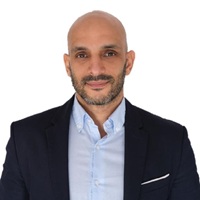

The journey from commercial counsel to General Counsel is about more than greater responsibility – it is about becoming a strategic architect of the business. Mauro Ribeiro, Head of Legal and Commercial Management at Huawei in Portugal, shares what that shift has meant in practice.
What has been the most defining moment of your career as an in-house counsel so far?
The most defining moment was the transition from commercial counsel to Head of Legal.
As a commercial lawyer, I learned how deals are built, how relationships evolve, and how negotiation depends on nuance. But stepping into the GC role forced me to shift from “supporting the business” to “shaping the business.” Suddenly, legal advice was not only about risk mitigation, it was about enabling strategy, protecting reputation, and guiding the organisation through uncertainty.
That moment crystallised what in‑house work truly is: a blend of legal judgement, commercial intuition and human leadership.
In what ways do you see the role of the GC changing over the next 5-10 years?
The GC role is evolving from legal guardian to strategic architect. Over the next decade, GCs will:
AI will automate review, triage and drafting, but the GC will remain responsible for judgement, the part machines cannot replicate.
How do you balance the pressures of your role with personal wellbeing and resilience?
Resilience comes from boundaries and perspective. I learned that not every issue is urgent, not every risk is existential, and not every escalation requires immediate reaction.
I prioritise three practices:
Pressure is inevitable, but burnout is avoidable when you treat resilience as a professional skill, not a personal luxury.